Posted on

Why Use Viking and Nordic Cartography Assets in Our Fantasy Maps?

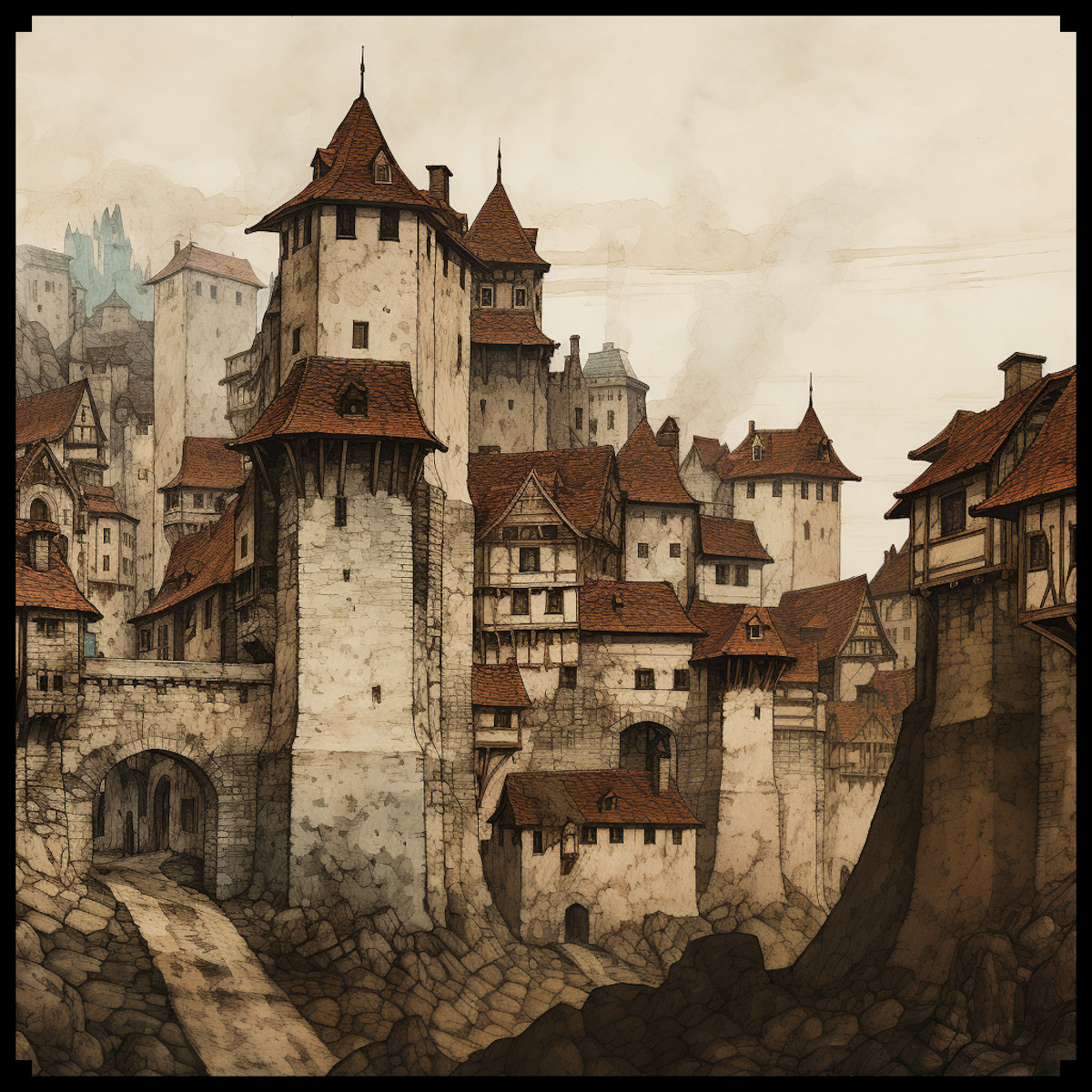
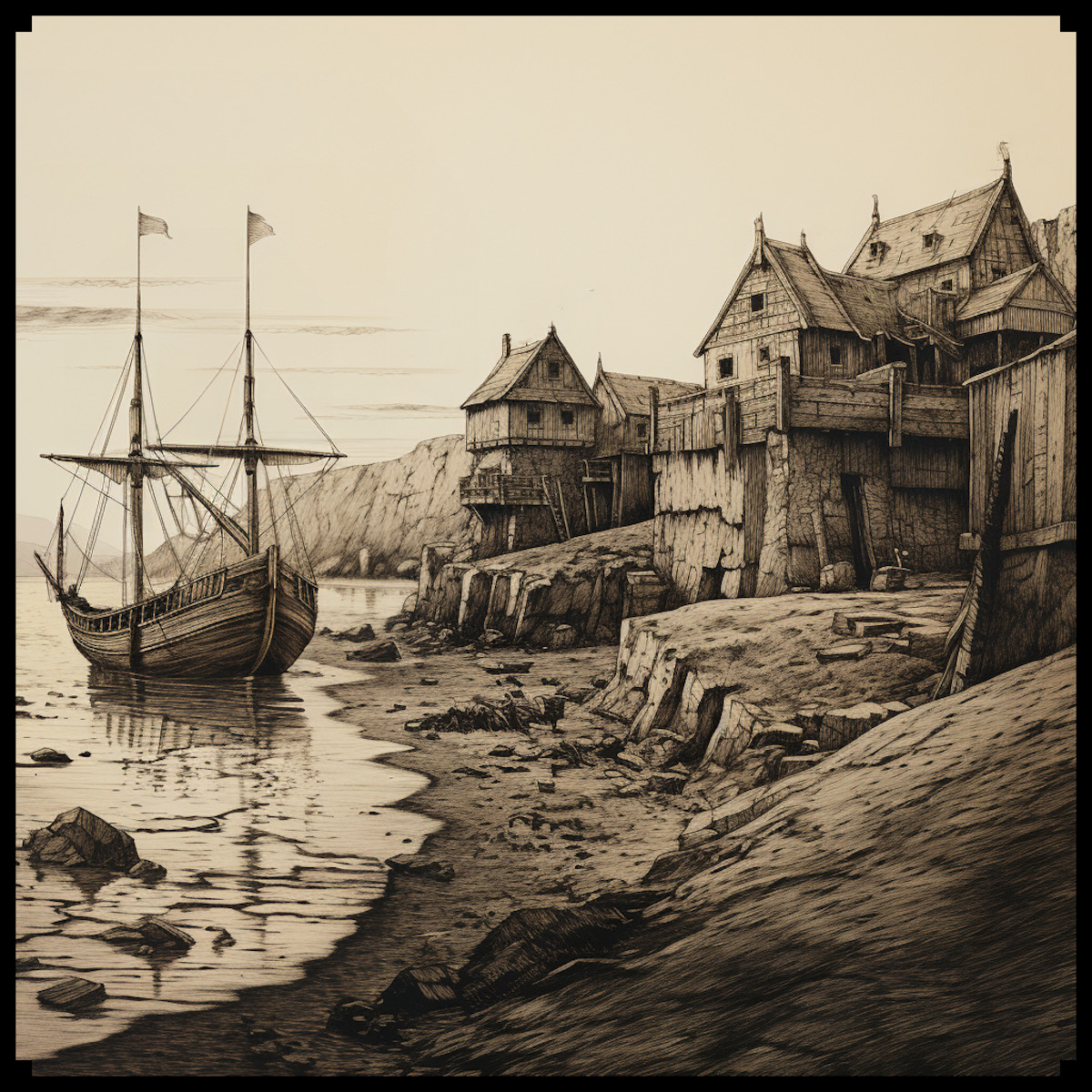
etching illustration of viking nordic towns with longship, fantasy map assets, wonderdraft assets and symbols

In the realm of fantasy cartography, the depiction of Viking longships, fortified wooden Nordic and Viking towns and settlements, as well as the grandeur of Norse castles and forts, holds a special place. These elements not only contribute to the aesthetic appeal of fantasy maps but also evoke a sense of cold, rugged, and untamed landscapes. In this article, we delve into the historical significance and visual impact of these elements, particularly in the context of fantasy maps, with a special focus on the Vintage Fortified Nordic & Viking Settlements – 129 assets Megapack (+ longships + creator kit!)—an asset pack that faithfully recreates these features in the style of antique maps.

BUY AND DOWNLOAD The Vintage Fortified Nordic & Viking Settlements – 129 assets Megapack ( + longships + creator kit !) :

Fortified Wooden Nordic and Viking Towns and Settlements

Nordic and Viking settlements were often constructed in harsh, cold, and arid environments, where resources were limited. As a result, the architecture of these settlements predominantly featured fortified wooden structures. These towns and villages, surrounded by wooden palisades and watchtowers, were designed to withstand both the elements and potential attacks from rival clans or marauders. In fantasy maps, these fortified settlements create an atmosphere of resilience and isolation, where communities huddle together in a harsh world. The use of wood in their construction also adds a rustic charm that resonates with fans of nordic fantasy settings, where the architecture is heavily influenced by Nordic and Viking motifs.

Fortified Stone Nordic and Viking Towns and Settlements

While wooden fortifications were common, stone fortifications were also a part of Nordic and Viking architecture. Stone walls, ramparts, and towers were constructed to protect strategic locations and harbors. In fantasy maps, the inclusion of fortified stone towns and settlements contrasts with the wooden ones, symbolizing a more established and formidable presence. These stone structures speak to the enduring nature of Nordic and Viking civilizations, which left lasting historical legacies across Europe.

Norse Castles and Forts: Strongholds of Power

Norse castles and forts were the pinnacle of Viking architecture. These imposing structures, often perched on cliffs overlooking the sea, were both defensive fortresses and symbols of authority. They evoke a sense of grandeur and dominance, making them compelling features on fantasy maps. Whether as the lair of a powerful ruler or the goal of a daring quest, Norse castles and forts bring an air of intrigue and drama to the fantasy world.

The Viking Longships: Symbols of Exploration

Viking longships, characterized by their long, narrow design and distinctive prows, were the quintessential vessels of exploration and raiding for the Norse seafarers. These ships played a pivotal role in shaping the Viking Age, allowing them to reach distant shores and establish settlements in lands as far-reaching as Iceland, Greenland, and even Vinland (North America). In fantasy maps, the inclusion of Viking longships invokes a sense of adventure and daring, as if the viewer is embarking on a journey to uncharted territories, mirroring the Vikings’ bold spirit.

The Creator Kit: Empowering Imagination

The Vintage Fortified Nordic & Viking Settlements asset pack not only includes pre-designed elements but also a creator kit. This kit empowers fantasy map makers to craft their own symbols of fortified Viking and Nordic towns and settlements. It allows for customization, enabling map creators to infuse their unique artistic vision into their maps while maintaining the vintage aesthetic.

Conclusion

In the realm of fantasy mapmaking, the inclusion of Viking longships, fortified Nordic and Viking settlements, and Norse castles and forts brings a rich historical depth and a captivating visual allure. These elements transport viewers to a world of cold, grandeur, and rugged beauty, much like the lands of Skyrim. The Vintage Fortified Nordic & Viking Settlements – 129 assets Megapack (+ longships + creator kit!) offers a treasure trove of resources for map creators, allowing them to craft immersive fantasy worlds that resonate with the enduring legacy of the Vikings and the Nordic peoples. So, whether you’re embarking on a virtual exploration or creating your own fantasy realm, these assets are sure to leave a lasting impression on the map and the imagination.

Posted on

Exploring Fantasy Map Symbols : The Mighty Orcs and Barbarian Settlements

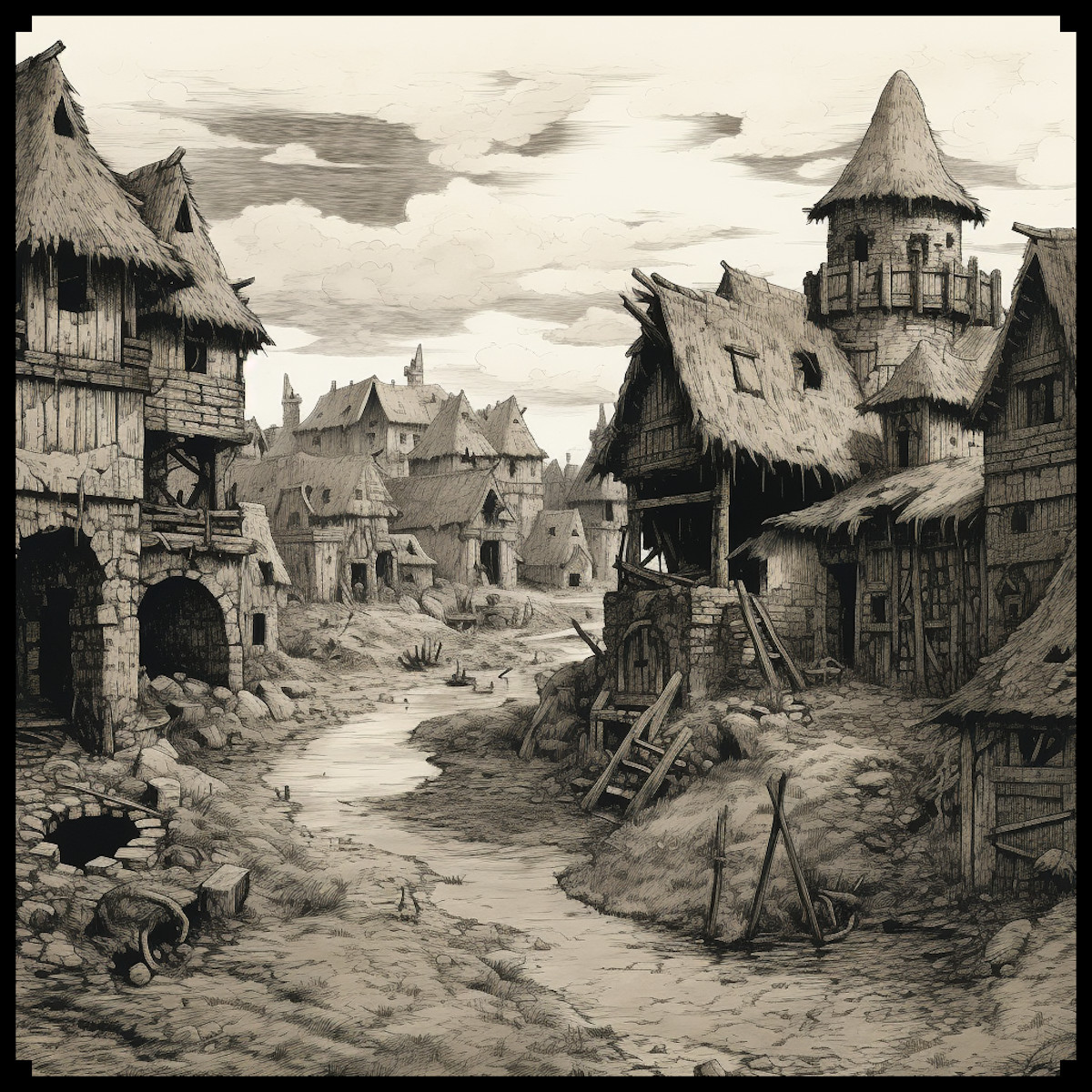
illustration of orcish and fortified barbarian village, fantasy map symbols, cartography assets

In the realm of cartography, there exists a fascinating intersection between the worlds of fantasy and antiquity. Maps, both in ancient times and within the realm of fantasy, have often served as repositories of knowledge, storytelling, and artistic expression. Among the most captivating features found on these maps are the fortified Orcish and Barbarian settlements, which have not only shaped the landscapes of imagination but also mirrored the realities of ancient civilizations. In this article, we will delve into the historical and creative significance of these fortified settlements, with a focus on their portrayal in both antique and fantasy maps. Additionally, we will highlight the Vintage Fortified Orcish & Barbarian Settlements – 132 assets Megapack (+ creator kit!) that captures the essence of these settlements in the style of antique maps.

BUY AND DOWNLOAD The Vintage Fortified Orcish & Barbarian Settlements – 132 assets Megapack ( + creator kit !) :

Orcish civilization, often depicted as fierce and warlike, found its roots in fantasy literature and role-playing games. However, the concept of fortifying their settlements has historical parallels in the real world. The Great Wall of China, for instance, can be likened to the defensive structures of some Orcish settlements. These fortifications were not only practical but also symbols of strength and resilience in the face of adversity.

Barbarian civilizations, on the other hand, often conjure images of nomadic tribes and rugged lifestyles. In history, various tribes across the globe erected formidable strongholds and hill forts to protect their communities. These structures reflected the resourcefulness and adaptability of the Barbarian way of life.

In the realm of fantasy, Orcish settlements are characterized by imposing fortresses, thick walls, and a menacing aura. The Vintage Fortified Orcish & Barbarian Settlements Megapack captures these elements beautifully, with assets that include Orcish fortified cities, towns, hamlets, forts, and castles. These settlements often serve as central locations in epic quests and campaigns, providing a rich backdrop for storytelling.

Barbarian settlements, as depicted in fantasy maps, exude a raw, primal energy. The Megapack also features Barbarian castles, forts, villages on hills, and towers, echoing the ruggedness and simplicity of Barbarian architecture. These settlements often embody themes of freedom, survival, and the untamed spirit of the wilderness.

The Vintage Fortified Orcish & Barbarian Settlements Megapack not only pays homage to the historical context of these settlements but also adopts the artistic style of antique maps. Antique maps, with their intricate illustrations, evoke a sense of nostalgia and wonder. By infusing fantasy maps with this aesthetic, creators bridge the gap between the worlds of imagination and reality, inviting viewers to explore and immerse themselves in these fantasy realms with a touch of historical charm.

Conclusion

In the ever-evolving world of cartography and fantasy, the representation of fortified Orcish and Barbarian settlements plays a pivotal role. These settlements, rooted in history and brought to life through creative imagination, enrich the landscapes of both antique and fantasy maps. The Vintage Fortified Orcish & Barbarian Settlements – 132 assets Megapack (+ creator kit!) captures the essence of these settlements, offering cartographers and fantasy enthusiasts a unique opportunity to explore, create, and appreciate the intricate architecture and rich storytelling potential that these fortified settlements bring to the map-making process. Whether in the annals of history or the realms of fantasy, these settlements continue to be enduring symbols of strength, resilience, and the human capacity for creative expression.

Posted on

Cartography Assets and Point of Production Markers: Mapping the Resources

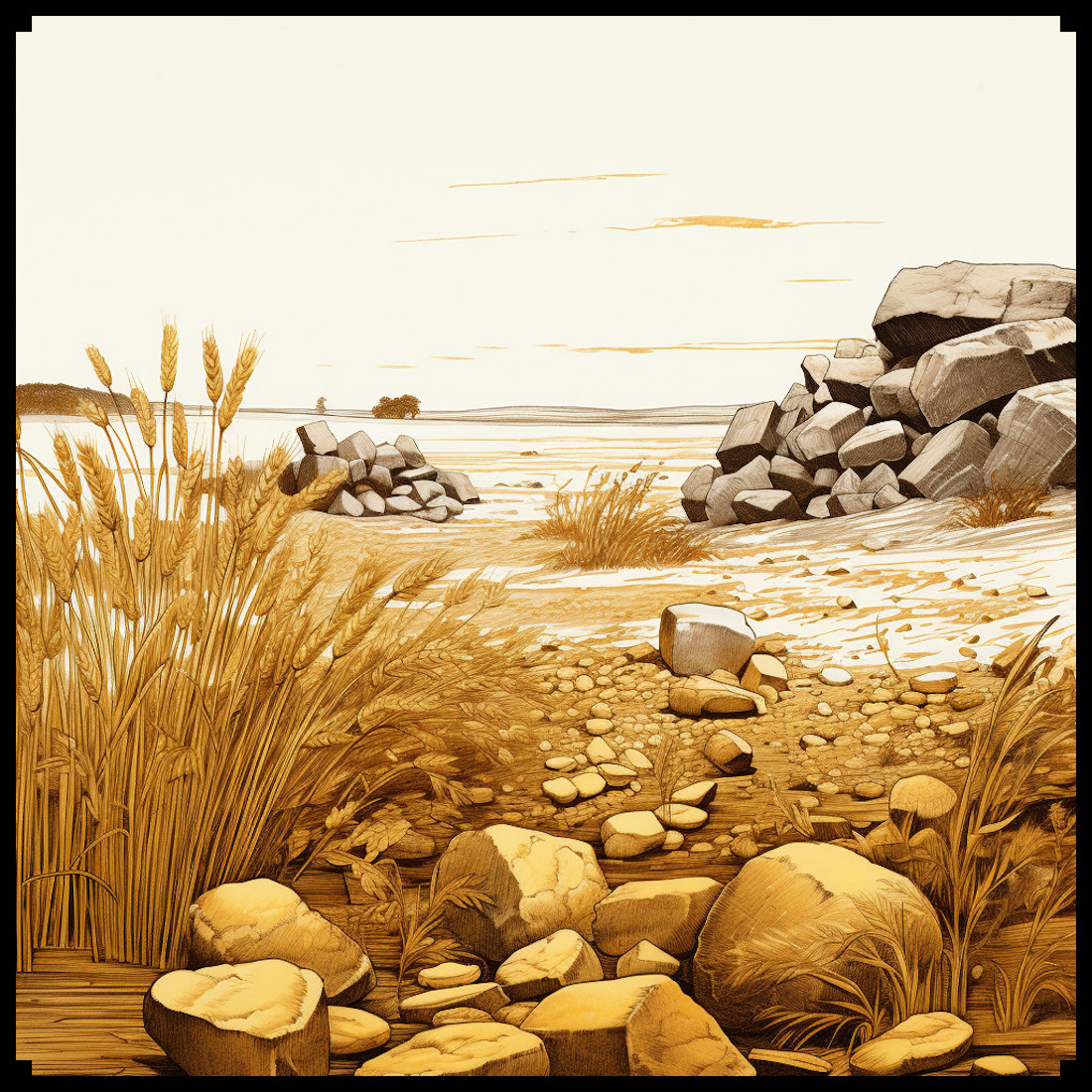
point of production and resources assets, cartography assets, vintage map symbols, wheat and gold ore

My fascination with the interplay of geography, culture, and resources has led me to explore the historical significance of representing points of production and resources on maps, be they fantastical realms or ancient landscapes.

In this article, we embark on a journey through the annals of cartography, from the maps of antiquity that detailed the world’s tangible riches to the enchanting fantasy realms where imagination knows no bounds. Along the way, we’ll uncover the historical importance of depicting points of production, ores, livestock, and resource-related activities on maps. To showcase the remarkable blend of history and fantasy in modern map-making, we will spotlight the Vintage Resources & Point of Production Markers/Landmarks – 150 Assets Megapack, a treasure trove of elements that pay homage to the aesthetics of antique maps.

BUY AND DOWNLOAD The Vintage Resources & point of production markers / landmarks – 150 assets Megapack :

Points of Production on Antique Maps

Long before the advent of Google Maps and GPS technology, cartographers meticulously documented the sources of essential resources on their maps. These maps served not only as navigation aids but also as invaluable references for merchants, explorers, and rulers. Points of production, such as wheat farms, plantations, and hunting grounds, were crucial for understanding the economic and strategic landscape of an area.

Agriculture: Wheat, corn, cotton, cocoa, coffee, and spices were depicted as symbols on antique maps, often with intricate details highlighting their cultivation regions. These representations played a pivotal role in trade routes and the movement of agricultural goods across empires.

Livestock: Maps of the past featured icons for cows, goats, hogs, sheep, and horses, providing insight into regions known for their livestock breeding. This information was vital for provisioning armies and assessing the availability of draft animals for agriculture.

Resource Production: Woodcutters, smiths/ironworks, and alchemists’ workshops were often marked on maps, reflecting the areas of resource extraction and processing. These markers helped societies manage their supply chains and resource utilization efficiently.

Mining: Mines for gold, iron, silver, copper, and other ores were prominent features on maps of ancient civilizations. These mines were sources of great wealth and strategic importance.

Fantasy Maps: Blending Imagination and History

Fast forward to the present, and fantasy maps have taken the art of cartography to new heights. The boundaries of the real world are no constraints for fantasy map-makers who craft realms brimming with magic, mythical creatures, and abundant resources. The Vintage Resources & Point of Production Markers/Landmarks – 150 Assets Megapack is a testament to this creative fusion of history and imagination.

Resource Abundance: In fantasy realms, markers for bees/honey, cocoa, coffee, spices, cotton, and other exotic resources transport us to lands teeming with fantastical flora and fauna. These markers evoke the allure of uncharted territories and the allure of otherworldly commodities.

Farm animals and Craftsmanship: Landmarks for animal groups, such as cows, goats, hogs, sheep, and horses, are essential in fantasy maps, reflecting the diversity of livestock. Smiths, alchemists, and woodcutters’ landmarks hint at the craftsmanship and industry of fantasy worlds.

Mineral Riches: Fantasy maps often depict mines and ore markers for gold, iron, silver, copper, and other magical materials. These resources hold mystical properties and are coveted by heroes and villains alike.

Agricultural Wonders: In the realm of fantasy, markers for corn, plantations, tea, potatoes, and more illustrate the enchanting crops and agricultural marvels that sustain diverse civilizations.

Conclusion

Maps, whether antique or fantasy, serve as windows into the worlds they represent. Points of production and resource markers on maps are more than just symbols; they are a testament to the interplay of history, culture, and geography. The Vintage Resources & Point of Production Markers/Landmarks – 150 Assets Megapack seamlessly bridges the gap between the rich traditions of antique cartography and the boundless imagination of fantasy worlds. It is a treasure trove for map-makers and enthusiasts, a bridge between the past and the fantastical, inviting us to explore the wondrous realms of our dreams while honoring the heritage of cartographic craftsmanship.

Posted on

Mapping Enchantment: Treehouse Cities and the Language of Cartography Assets and Symbols

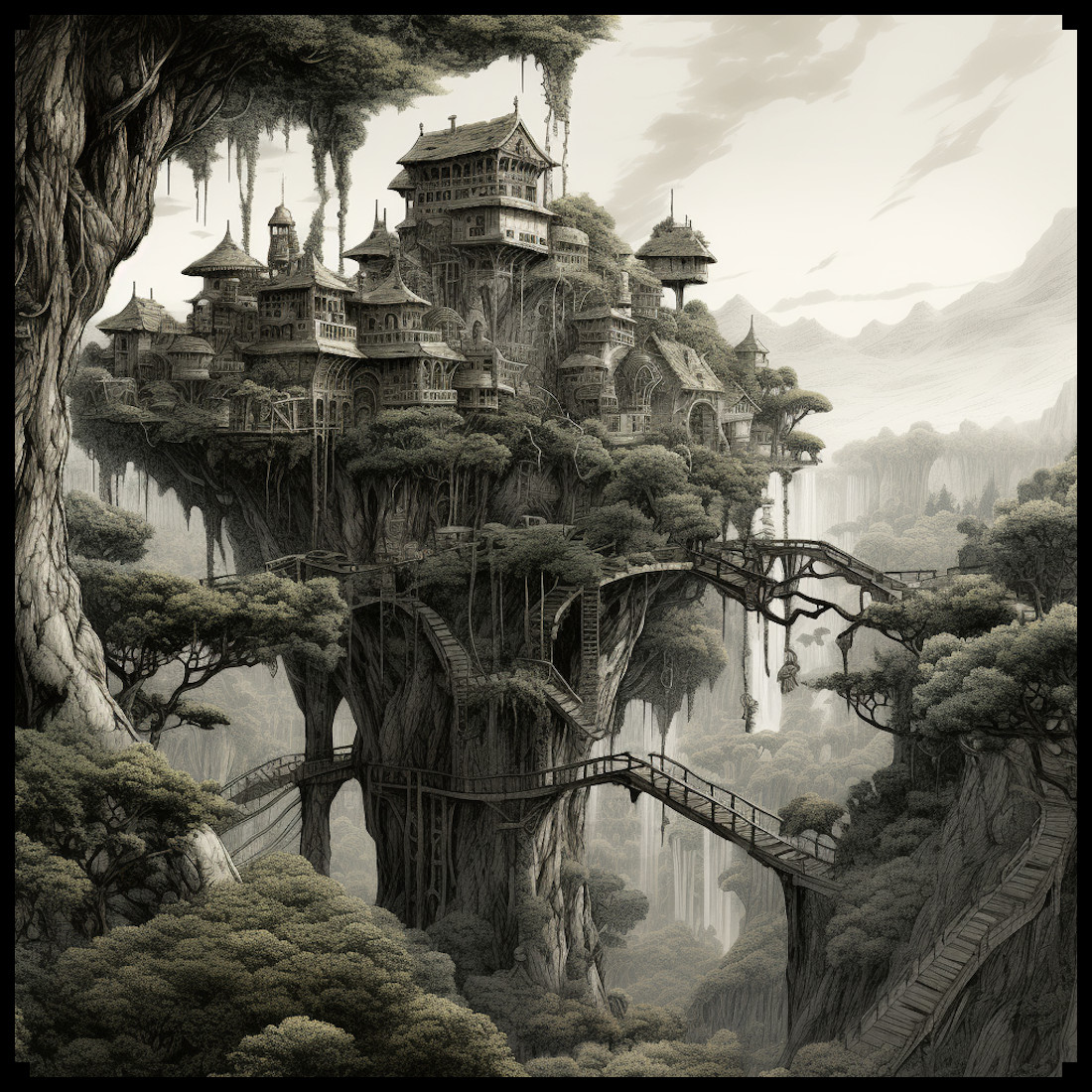
wonderdraft assets, fantasy map assets, nature, elven treehouse town and city, cartography assets

In the realm of fantasy cartography, the portrayal of treehouse settlements and cities has become an iconic and cherished element. Today, we explore the historical significance and evolution of these captivating representations, drawing a parallel between ancient maps and the modern pack of assets for fantasy maps titled: Vintage Treehouse Settlements and Cities + Treehouse Settlement Creation Kit – 117 Assets MEGAPACK.

BUY AND DOWNLOAD The Vintage Treehouse settlements and cities + treehouse settlement creation kit – 117 Assets MEGAPACK :

The concept of treehouse settlements has roots in ancient cultures across the globe. From the tree-dwelling tribes of Papua New Guinea to the elaborate treehouses of the Alerce Coast in Chile, humans have long sought refuge in the canopy of trees. Ancient maps, such as the Babylonian World Map dating back to the 6th century BCE, occasionally featured symbols representing treehouse-like structures that held a special significance in various cultures.

These early depictions often represented sacred spaces or spiritual realms, highlighting the profound connection between humans and nature. As the art of cartography evolved, so did the representation of treehouse symbols, which began to find their way into maps of fantasy worlds.

With the rise of fantasy literature in the 20th century, maps became an essential component of the genre, guiding readers through the intricate worlds created by authors. Notable authors like J.R.R. Tolkien and C.S. Lewis incorporated treehouse settlements into their fantasy realms, further cementing the fascination with these magical abodes.

The Vintage Treehouse Settlements and Cities + Treehouse Settlement Creation Kit takes inspiration from this rich tradition, providing artists and mapmakers with a treasure trove of assets to bring their dreamlike visions to life. From the sprawling treehouse human cities to the enchanting treehouse elven cities, the pack offers a diverse range of options to cater to every mapmaker’s imagination.

Among the most beloved elements of fantasy cartography are the elven treehouse towns. Elven culture, known for its affinity with nature and ethereal elegance, perfectly complements the concept of treehouse settlements. The pack provides numerous assets for creating these captivating elven havens, allowing mapmakers to infuse their worlds with the allure of elven charm.

One of the standout features of the Vintage Treehouse Settlements and Cities + Treehouse Settlement Creation Kit is its homage to the antique style of cartography. By mirroring the design elements found in ancient maps, this pack transcends the boundaries of time, blending the allure of the past with the magic of fantasy.

To conclude, the representation of treehouse settlements in both ancient maps and modern fantasy cartography has a profound significance. It reflects humanity’s historical connection with nature, the appeal of magical realms, and the timeless allure of the unknown. The Vintage Treehouse Settlements and Cities + Treehouse Settlement Creation Kit stands as a testament to the enduring fascination with treehouse abodes, providing artists and mapmakers with the tools to weave extraordinary tales in the realms of fantasy.

As you embark on your cartographic adventures, remember that every treehouse city, castle, fort, and temple you create carries a piece of history within it – a connection between the fantastical worlds of fiction and the ancient cartographic wonders that have inspired generations. Let your creativity flourish and your maps transport readers and viewers to lands of enchantment and wonder. Happy mapping!

Posted on

From Medieval Battalions to Modern Warfare: The Role of Symbols in Military Maps and Fantasy Maps Assets

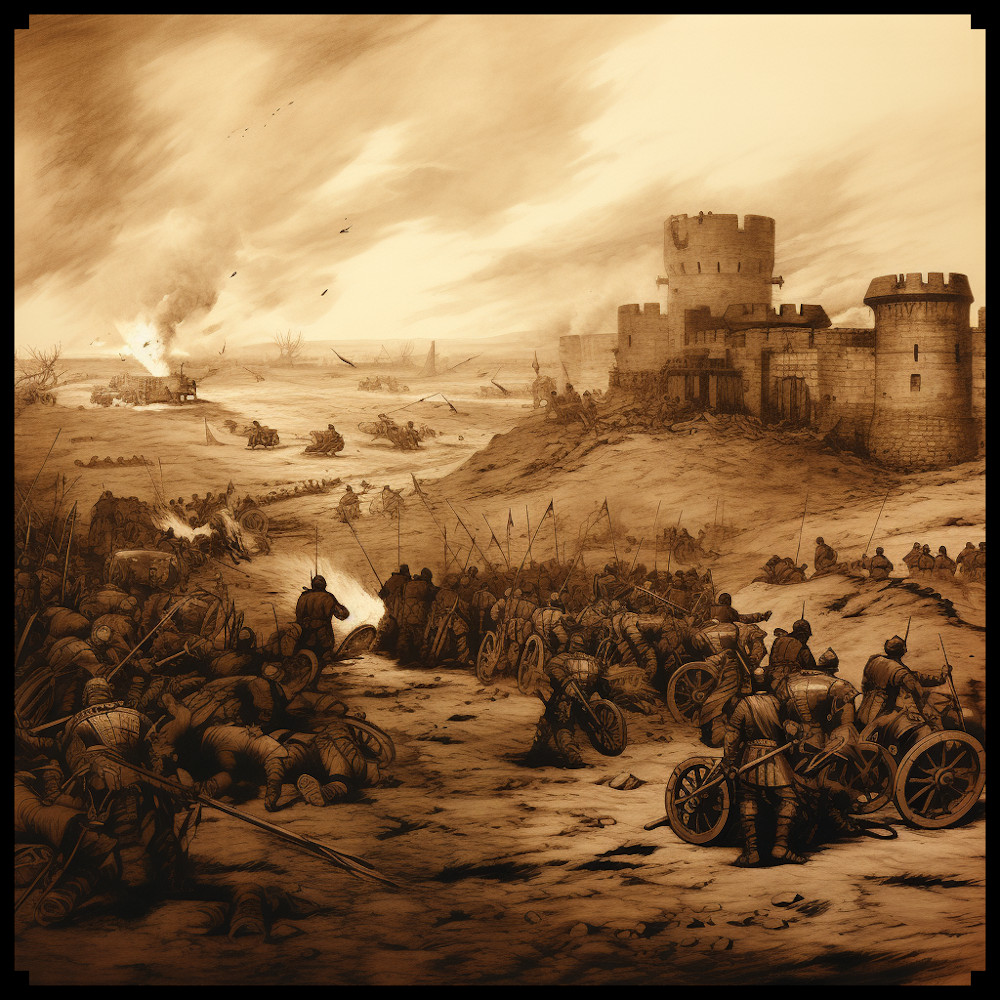
warfare on battlefield, fantasy map symbols, medieval and napoleonic, and nato, units

In both ancient maps and fantasy maps, various symbols have been used to represent infantry and cavalry battalions, artillery, mythical creatures, ships, campsites, and more. This article explores the historical and creative significance of these symbols, highlighting their evolution across different eras, including medieval, Napoleonic, and modern NATO. In addition, we will examine the Old Cartography Battlefield Units and War Assets Megapack, a collection that embodies the essence of ancient maps, while providing a diverse range of assets for fantasy map creators.

BUY AND DOWNLOAD the Old Cartography Battlefield Units and War Assets Megapack :

Ancient Maps:
Ancient maps often featured figurative representations of infantry and cavalry battalions, depicted through detailed illustrations of soldiers and horses. These symbols aimed to convey the visual impact of military forces, showcasing the magnitude and organization of ancient armies. Ships, represented by stylized vessels, were included to indicate naval units and exploration of uncharted territories. Campsites were often illustrated with tents, emphasizing the importance of logistics and strategic positioning in ancient warfare.

Medieval Maps:
In medieval cartography, infantry and cavalry battalions were depicted figuratively, often shown as rows of helmeted soldiers or mounted knights. These symbols provided a sense of the formation and composition of military units. Artillery was limited during this era, but fortified positions were represented by fortified walls. Destroyed houses and churches were sometimes included to showcase the aftermath of battles or the impact of sieges.

Napoleonic Era:
During the Napoleonic era, military symbols on maps became more standardized and abstract. Infantry and cavalry battalions were often represented by squares or rectangles, occasionally divided by a diagonal line to differentiate light and heavy infantry. Artillery symbols showcased cannon placements, typically depicted as small circles or squares with diagonal lines or dots to represent guns or batteries. These symbols allowed for a clear visualization of unit positions and tactical formations.

Modern NATO:
Modern NATO maps employ standardized symbols to represent infantry, cavalry, and artillery units. Infantry symbols are typically rectangular or diamond-shaped, with additional markings indicating unit types and sizes. Cavalry symbols may feature mechanized or armored representations, showcasing modern vehicle units. Artillery symbols include icons representing different types of artillery, enabling precise identification of weapon systems.

Fantasy Cartography:
In the realm of fantasy maps, the imagination knows no bounds. Symbols depicting infantry and cavalry battalions can vary from traditional representations to fantastical creatures or mythical beings. Giants, dragons, cyclops, harpies, and other massive beasts add a touch of wonder and danger to the map, captivating the imagination of adventurers and readers alike.

Conclusion:
From the figurative representations of ancient maps to the standardized symbols of modern NATO, the evolution of military symbols in cartography is a testament to the rich history and creative possibilities within the genre. The Old Cartography Battlefield Units and War Assets Megapack encompasses the spirit of ancient maps while offering fantasy map creators a diverse range of assets to bring their imaginative worlds to life. By incorporating historically inspired symbols and fantastical elements, these assets provide a bridge between the realms of history and fantasy, enabling creators to craft visually stunning and immersive maps. Whether depicting ancient battles, Napoleonic campaigns, or fantastical adventures, the symbols within this asset pack offer endless opportunities for map enthusiasts to explore the depths of the past and unleash their creative visions upon the map.

Posted on

From Battlefields to Sinister Isles: Symbols of Gore & Dark in Cartography Assets

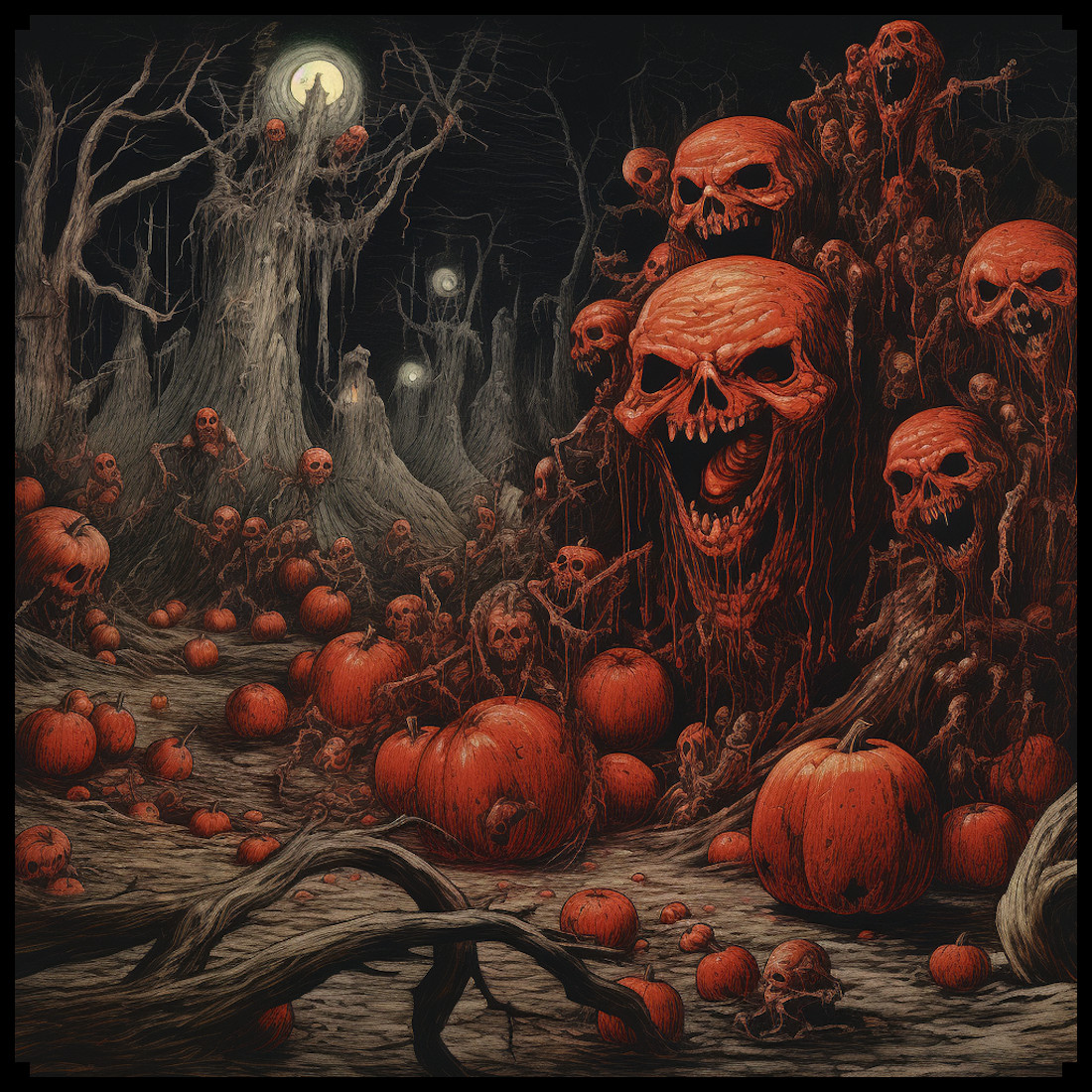
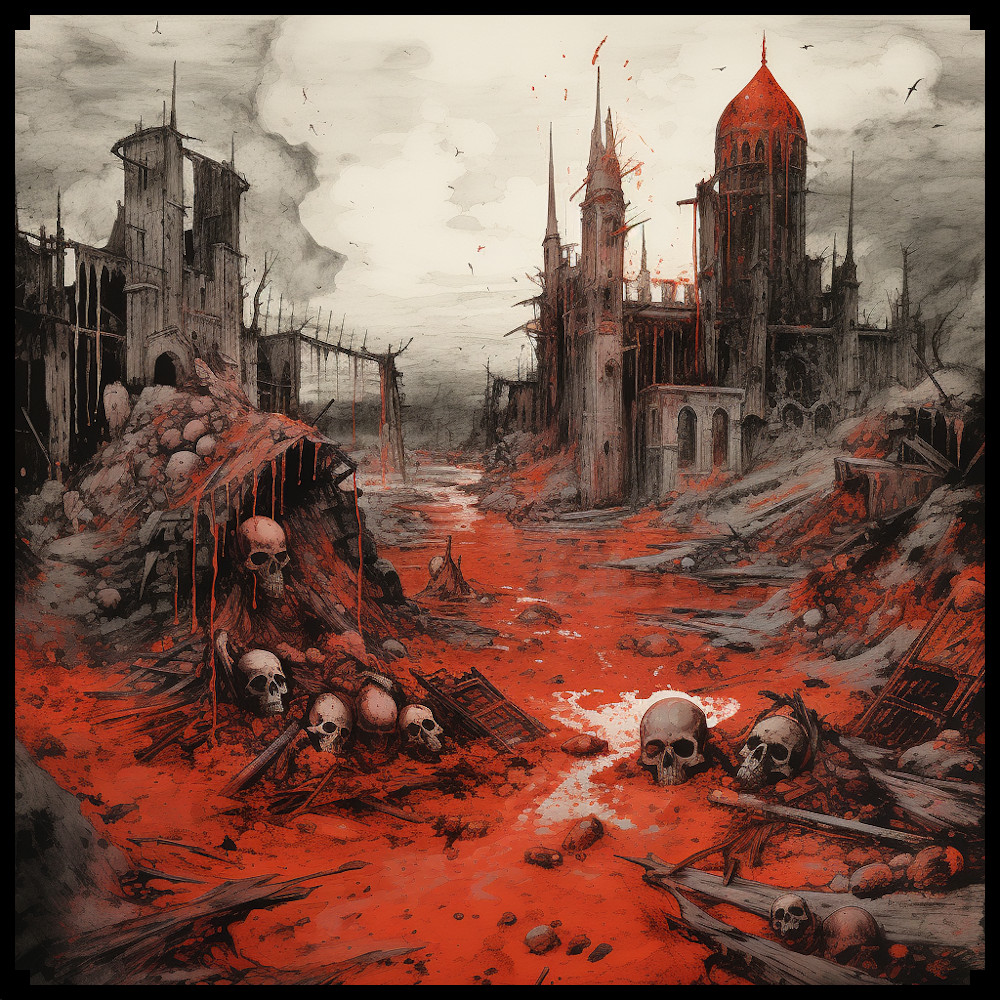
etching illustration of fantasy map symbols, skulls, gore blood, battle remains, old cartography

In this article, we delve deep into the mesmerizing role of blood puddles, guts, damaged flags, skulls, tombs, battle markers, corpses piles, sinister isles, and cursed buildings in shaping the landscape of both fantasy and antique maps. And there’s more! We unveil the awe-inspiring Ultimate Gore and Battle Remains Vintage Assets Pack, a treasure trove of cartography assets and map symbols that will transport your fantasy maps to new heights, all while evoking the nostalgic charm of antique cartography.

BUY AND DOWNLOAD the Ultimate Gore and Battle Remains Vintage Assets Pack :

Maps have long been used to communicate more than just geographic information. They often include symbols, illustrations, and annotations that provide insights into historical events, cultural beliefs, and even supernatural elements. In both fantasy and antique maps, the inclusion of blood puddles, guts, damaged flags, skulls, tombs, battle markers, corpses piles, sinister isles, and cursed buildings serves to convey specific meanings and create a unique atmosphere within the map.

Prepare to be swept away by the sheer intensity of battles brought to life! Blood puddles and guts piles are commonly found in fantasy maps depicting battlegrounds and scenes of intense conflict. These gory symbols represent the brutality and violence associated with epic battles. They serve to remind viewers of the sacrifices made and the lives lost in the pursuit of power, conquest, or defense. The inclusion of such elements adds a visceral quality to the map, evoking a sense of danger and highlighting the stakes involved in the depicted conflicts.

Behold the glorious rise and tragic fall of nations and factions! Within the realms of fantasy maps, damaged flags and broken flags represent the triumphs and defeats that shape the fate of empires. Like fluttering relics of a bygone era, these symbols bear witness to the ever-shifting tides of power and the fragility of dominions. Immerse yourself in the rich tapestry of history and politics that weave together the fantastical worlds depicted in these maps.

Unlock the mysteries of forgotten civilizations and ancient battlegrounds! Skulls, tombs, and battle markers, meticulously etched onto fantasy and antique maps, stand as haunting symbols of the past. They beckon with whispers of hidden treasures, cursed lands, and sacred sites, inviting intrepid explorers to unravel the stories that lie dormant beneath their surface. Prepare to set foot on the hallowed ground of legends and indulge in the boundless realms of imagination.

Witness the aftermath of conflicts, monstrous encounters, and cataclysmic events! As you traverse the fantasy landscapes, prepare to confront the grim reminders of battles long fought. Corpses piles, gore piles, and carcasses offer stark testimony to the perils and challenges that plague these mesmerizing worlds. With every step, they serve as cautionary markers, warning travelers, adventurers, and armies alike of the dangers that await in their wake.

Venture into the heart of darkness, where malevolence and the supernatural hold sway! Sinister isles and cursed buildings emerge from the depths of fantasy and antique maps, drawing brave souls into realms infused with an eerie ambiance. These dark enclaves harbor hidden secrets, mythical creatures, and forces that defy comprehension. Brace yourself for epic quests, spine-tingling encounters, and the allure of the unknown.

Prepare to elevate your fantasy maps to new heights with the Ultimate Gore and Battle Remains Vintage Assets Pack ! Bursting with meticulously crafted elements such as damaged flags, broken flags, battle markers, blood puddles, guts piles, gore piles, skulls, broken armors piles, corpses piles, carcasses, tombs, sword tombs, war-torn cursed citadels, war-torn cursed fortresses/castles, and sinister isles, this remarkable collection is a gateway to a realm of unparalleled sinister marvels.

With a simple mouse click, these assets infuse your maps with an unparalleled sense of historical authenticity and the evocative charm of antique cartography. Your dark fantasy worlds will come alive as your imagination weaves intricate tales of heroism, tragedy, and the supernatural.

Posted on

Ruins as Key Elements in Fantasy and Ancient Cartography

medieval fantasy ruins, ruined buildings, fantasy map assets, cartography symbols

One recurring element in ancient maps and contemporary fantasy maps is the depiction of ruins—symbols of decay, mystery, and forgotten history. In this article, we will delve into the significance of ruins in both fantasy and ancient maps, while highlighting the unique Ruins and Ruined Buildings Vintage Assets Megapack that offers an immersive experience reminiscent of antique cartography.

BUY AND DOWNLOAD the Ruins and Ruined Buildings Vintage Assets Megapack :

Ancient cartographers often included ruins, abandoned towns, and destroyed structures in their maps to convey a sense of historical narrative. These representations served as visual markers, indicating the remnants of past civilizations and emphasizing the transient nature of human achievements. Ruined cities, towns, castles, and temples were often depicted with meticulous detail, allowing map readers to imagine the grandeur of these once-thriving places.

In the realm of fantasy, maps are not merely utilitarian; they are gateways to imaginary worlds. Ruins play a vital role in enhancing the atmosphere, storytelling, and world-building within these maps. Fantasy authors and cartographers utilize ruins and abandoned settlements to evoke a sense of mystery, hint at forgotten lore, and create a sense of ancient history for their fictional realms. The presence of ruined structures invites adventurers to explore, while simultaneously instilling a sense of danger and intrigue.

Designed with a keen eye for detail, the Ruins and Ruined Buildings Vintage Assets Megapack presents a collection of assets that perfectly complement both ancient and fantasy maps. This pack includes a diverse range of elements, such as ruined buildings, cities, towns, hamlets, temples, arches, forts, castles, and debris. Each asset is meticulously crafted to mimic the aesthetics of historical cartography, allowing map creators to immerse their audience in a world of nostalgia and exploration.

The vintage style of the Ruins and Ruined Buildings Vintage Assets Megapack pays homage to the artistry and craftsmanship of ancient cartographers. By utilizing these assets, map creators can evoke the sense of authenticity found in centuries-old maps. The inclusion of ruins and abandoned structures adds layers of depth and intrigue to fantasy settings, inviting map viewers to embark on quests of their own.

To conclude, ruins have long held a fascination for map readers, whether exploring ancient worlds or delving into the realms of fantasy. The Ruins and Ruined Buildings Vintage Assets Megapack provides a treasure trove of assets that capture the essence of historical cartography while enhancing the storytelling potential of fantasy maps. By incorporating these meticulously crafted elements into their creations, map creators can transport their audience to a bygone era and inspire their own tales of adventure and discovery.

Posted on

Cartography Assets : Reliefs and Vintage Cartographer’s Mountains in Maps

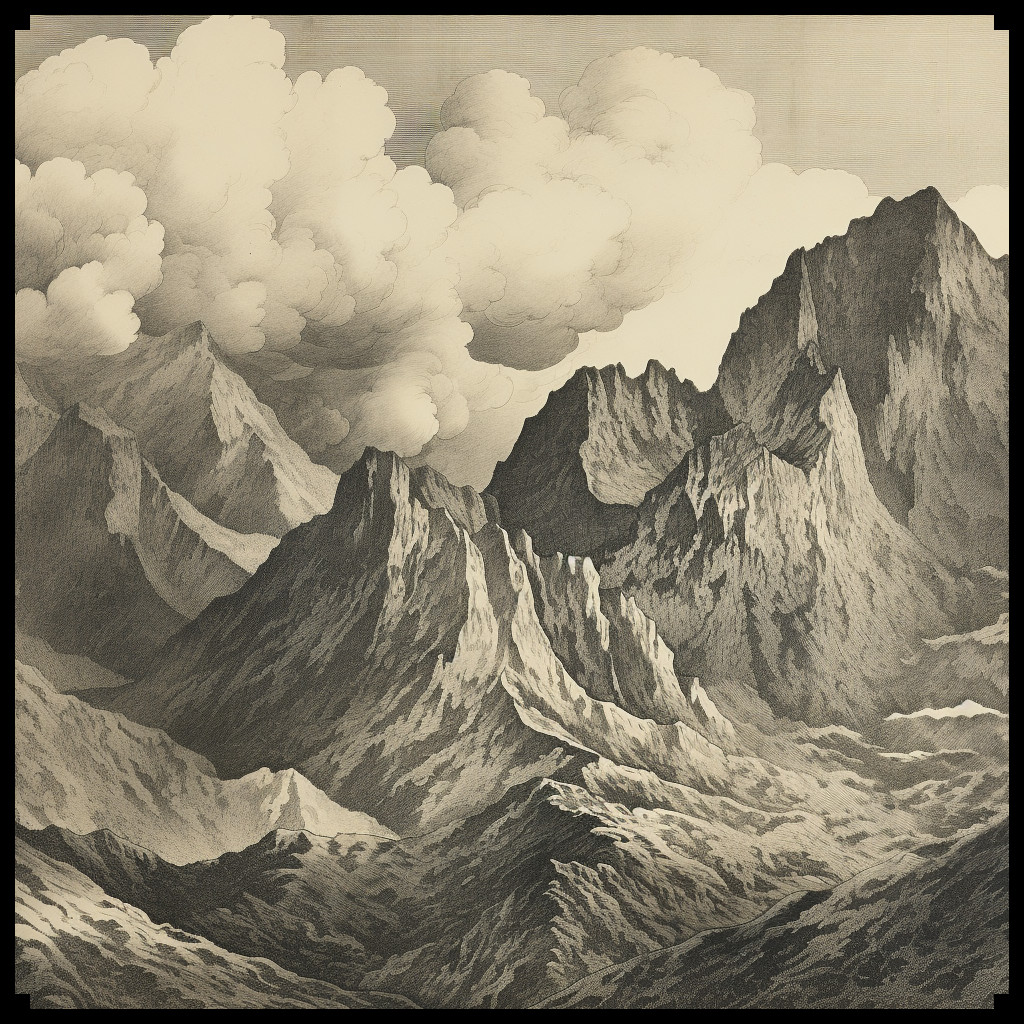
fantasy map assets symbols bundle, mountains, cliffs, desert dunes, rifts, chasms,desert cracks,buttes, for wonderdraft

Geographical features have long played a significant role in both ancient and fantasy maps, adding depth, symbolism, and visual interest to the depicted landscapes. Let’s delve into the historical significance of various elements such as mountains, deserts, landforms, dragons, and decorative elements, and how they contribute to the captivating Old Cartography Topographic Assets Complete Bundle—an invaluable resource for fantasy map creators

BUY AND DOWNLOAD the Old Cartography Topographic Assets Complete Bundle :

Mountains
Mountains hold a prominent place in maps, both ancient and fantasy. In ancient maps, generic mountains were simple triangular shapes, symbolizing grandeur and mystery. Rocky antique mountains, on the other hand, were depicted with rugged terrain and intricate shading, evoking danger and creating natural barriers in fantasy realms.

Deserts
Deserts in maps are often filled with intriguing landmarks. Desert caves offer shelter or hidden treasures, while desert temples represent ancient knowledge or guarded secrets. Desert butte towns perch atop elevated landforms, providing vantage points and protection. Dunes, cracks, and decorative dead trees further enhance the desert’s mysterious and untamed nature, captivating readers and evoking a sense of exploration.

Landforms
Various landforms bring diversity and visual interest to maps. Canyons, with their deep gorges, add drama and a sense of scale. Plateaus, mesas, and cliffs create distinct elevated regions, offering strategic locations or breathtaking viewpoints. Chasms, rifts, sinkholes, and dolines introduce natural formations that can be obstacles, pathways, or hidden wonders, amplifying the sense of adventure in both ancient and fantasy maps.

Dragons and Pinnacles
Dragons and their lairs have long been symbols of power and mystery. In fantasy maps, a dragon’s lair represents a treacherous and awe-inspiring location, often hidden within formidable terrain. Pinnacles, tall and pointed formations, further contribute to the grandeur of these maps, signifying both danger and mythical creatures.

Decorative Elements
Ancient and fantasy maps often incorporate decorative elements to enhance visual appeal. Decorative desert dead trees and cracks create an eerie atmosphere, hinting at the harshness and unforgiving nature of the landscapes. These elements add depth and aesthetic charm to the maps, captivating readers with their intricate details and mysterious allure.

The Old Cartography Topographic Assets Complete Bundle
The Old Cartography Topographic Assets Complete Bundle offers an expansive collection of assets that faithfully replicate the antique style of ancient maps. By utilizing this bundle, map creators can bring their imaginative visions to life. The attention to detail in the portrayal of mountains, deserts, landforms, dragons, and decorative elements ensures an authentic and captivating visual experience for readers.

Conclusion
Geographical features hold immense significance in both ancient and fantasy maps, contributing to the overall narrative and immersive qualities of the depicted worlds. The Old Cartography Topographic Assets Complete Bundle serves as an indispensable resource for map creators, providing them with the tools to craft visually stunning and historically inspired fantasy maps. By incorporating elements such as mountains, deserts, landforms, dragons, and decorative elements, map creators can transport readers to enchanting realms, sparking their imagination and inviting them on thrilling adventures. Immerse yourself in the art of cartography with this remarkable collection, and embark on a captivating journey through awe-inspiring landscapes.

Posted on

Carving the Earth: Exploring the Artistic Rendering of Desert Dunes, Cracks, and Ground Depressions in Cartography assets

etching illustration desert sinkhole, fantasy map assets

One captivating aspect often depicted in maps is the intricate detailing of desert landscapes. In this article, we delve into the historical significance of desert features, such as dunes, cracks, chasms, rifts, sinkholes, and dolines, both in ancient maps and their representation in contemporary fantasy cartography. Furthermore, we highlight the Old Cartography Desert & Ground Depressions Assets Pack, which recreates these elements in a style reminiscent of antique maps.

BUY AND DOWNLOAD the Old Cartography Desert & Ground Depressions Assets Pack :

Deserts have long fascinated cartographers due to their enigmatic nature and vastness. Ancient maps, such as those from the Arab world or medieval European manuscripts, often depicted desert dunes with a sense of grandeur and mystique. These sandy hills were illustrated as undulating waves frozen in time, creating a visually striking representation of the arid landscapes. Fantasy maps, heavily inspired by their historical counterparts, frequently feature desert dunes to evoke a sense of adventure and the unknown.

Cracks in desert terrain present an intriguing visual element. Ancient cartographers occasionally incorporated these cracks, which can be caused by erosion or tectonic activity, into their maps as symbols of treacherous terrain. Often portrayed as jagged lines or symbols resembling a series of fractures, these representations aimed to caution travelers about the potential dangers they might encounter in these regions. In fantasy maps, desert cracks serve a similar purpose, enhancing the feeling of peril and the inherent challenges faced by adventurers.

Chasms and rifts are geological features that have fascinated both ancient and fantasy cartographers. In ancient maps, they were depicted as deep, dark crevices, either explicitly or through symbolic representations. These elements served as natural barriers, separating different regions and emphasizing the immense scale of the depicted landscapes. Similarly, in fantasy maps, chasms and rifts often mark the boundaries of distinct territories or add an element of mystery and exploration, hinting at hidden realms or untold stories.

Sinkholes and dolines, although more commonly associated with karst landscapes, also find their place in ancient and fantasy maps. These natural depressions in the ground were occasionally depicted in ancient maps to indicate areas prone to collapse or subterranean networks. The inclusion of sinkholes and dolines in fantasy maps allows for the creation of unique landscapes and provides opportunities for plot development. These natural formations may harbor hidden treasures, secret passages, or even serve as gateways to other dimensions.

The Old Cartography Desert & Ground Depressions Assets Pack offers a remarkable collection of desert dunes, cracks, chasms, rifts, sinkholes, and dolines, meticulously crafted to resemble the style of antique maps. These assets provide a valuable resource for fantasy map creators, enabling them to add a touch of historical charm to their cartographic works. The pack not only allows for the depiction of visually captivating desert features but also helps in creating a sense of depth, mystery, and adventure within the map’s narrative.

Conclusion:
Desert features have a long-standing presence in both ancient and fantasy maps, serving various purposes from warning travelers of dangers to stimulating the imagination of viewers. The Old Cartography Desert & Ground Depressions Assets Pack empowers map creators with the ability to incorporate these elements seamlessly into their fantasy maps, evoking the allure of ancient cartography while adding depth and intrigue to their creations. By utilizing the pack’s desert dunes, cracks, chasms, rifts, sinkholes, and dolines, map enthusiasts can transport their audience to a world of exploration and adventure.

Posted on

From Trade Routes to Ley Lines: Tracing the Historical Importance of Paths in Maps

Wonderdraft and photoshop fantasy map assets antique cartography paths assets, roads, railroads, ley lines, trails

From ancient cartography to the enchanting realms of fantasy, the portrayal of paths, routes, ley lines, landmarks, and railroads has played a vital role in shaping our understanding of geographical spaces. In this article, we explore the historical significance of these representations and their enduring appeal. Moreover, we delve into the Old Cartography Ultimate Paths Pack, a remarkable collection of assets that pays homage to the ancient mapping styles while catering to the needs of fantasy map enthusiasts.

BUY AND DOWNLOAD THE Old Cartography Ultimate Paths Pack :

In the annals of cartographic history, ancient maps stand as testament to humanity’s ceaseless quest for knowledge and exploration. These maps often depicted trails, roads, and paths as essential markers of connectivity and trade routes. The inclusion of primary roads, denoting major arteries of travel, and secondary roads, representing less prominent routes, facilitated the movement of people, goods, and ideas across vast territories. Unimproved roads, on the other hand, revealed areas yet to be fully developed or explored, evoking a sense of mystery and uncharted possibilities.

Ancient maps occasionally featured ley lines, believed to be mystical alignments of landmarks and natural features. These invisible lines were thought to carry powerful energy, influencing the land and the lives of those residing upon it. The representation of ley lines on maps helped mapmakers and seekers of arcane knowledge identify sacred sites, ancient monuments, and places of spiritual significance. By incorporating ley lines into their maps, ancient cartographers honored the interconnectedness between the physical and the metaphysical realms.

Landmarks played a crucial role in ancient maps, serving as navigational aids for travelers. These points of reference, often symbolized by lines or symbols, helped map users orient themselves and determine their location within the larger geographical context. Landmark lines, illustrated in the Old Cartography Ultimate Paths Pack, replicate the style of these ancient representations, enabling modern mapmakers to evoke a sense of nostalgia and historical authenticity in their fantasy maps.

As technology advanced and civilizations progressed, railroads emerged as revolutionary means of transportation. Ancient maps gave way to more contemporary cartographic styles, capturing the expansion of rail networks across the globe. The inclusion of railroad paths, whether single or multiple tracks, became a testament to human ingenuity and progress. Railroads facilitated the movement of people, resources, and ideas, transforming landscapes and reshaping societies. The Old Cartography Ultimate Paths Pack acknowledges the transformative impact of railroads by offering mapmakers the tools to depict these modern conduits in a nostalgic and antiquated style.

Maps have always been an integral part of human history, acting as windows into our collective imagination and as practical tools for navigation. The representation of paths, roads, ley lines, landmarks, and railroads in ancient maps and fantasy cartography has allowed us to visualize and explore the interconnectedness of the physical and metaphysical realms, while showcasing the evolution of human civilization and progress. The Old Cartography Ultimate Paths Pack serves as a tribute to these enduring elements of cartography, providing mapmakers with a unique opportunity to recreate the charm and allure of ancient maps in their own fantasy worlds.